An ode to Ruskin College
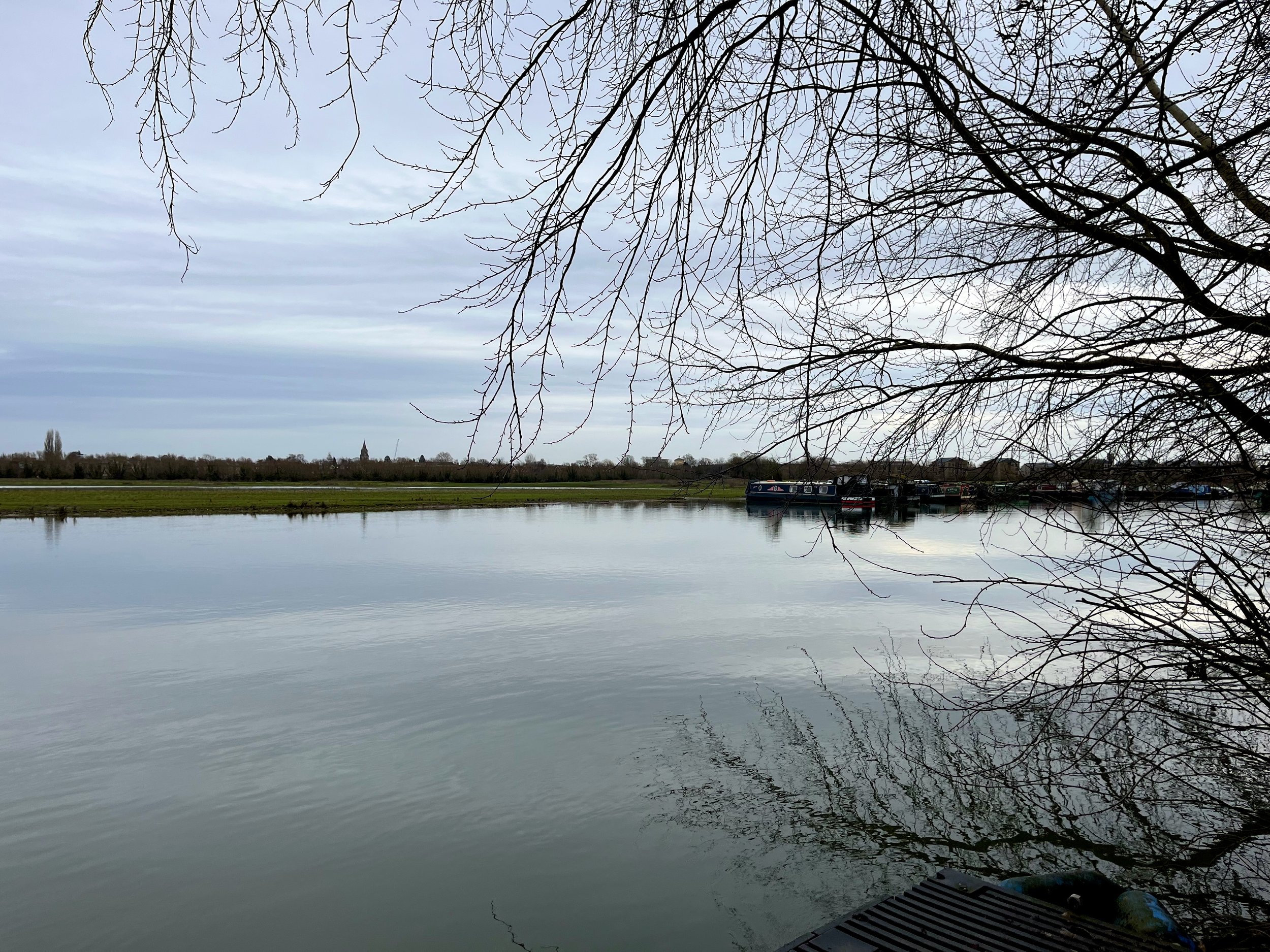
Ruskin College in Oxford opened in 1899 to provide education to working class men (and, later, women) and created many key members of the emerging Labour Party, including MPs. In the 1970’s it instigated and became home to the women’s liberation movement.
It was, no doubt, a thorn in the side of the mainstream political establishment for many years.
I attended the college in the late 1990’s, when Ruskin offered a fully funded year-long residential course, studying for a diploma that gave entry into University. That was a lifeline to those without formal qualifications but it offered much more than that.
Ruskin was a radical, left-wing college. Whilst there, I studied the history of working class people - my people. I learned about the radical, socialist and feminist movements of the 19th and 20th centuries; people who had fought and continued to fight oppression.
I devoured Marx and anarchist literature, learned about slavery, the impact of colonialism on the colonised and the history of animal rights. This was not the history I was taught at school; it had far more relevance.
It wasn’t just what I was taught though. I studied alongside people who had campaigned at Greenham Common, fought in the miners strikes of the 1980s, lived within the Irish “troubles” and survived racist attacks.
Ruskin changed my life. When I applied, I was living through a very difficult period and was stuggling. By the time I left, everything had changed.
I had learned the ideology behind the prejudice I had experienced all my life; how a girl from a council estate wasn’t expected to be clever.
I had learned to situate the trauma I had experienced as a social consequence of my birth. I began to break the cycle of socio-economic oppression that I had experienced during my life.
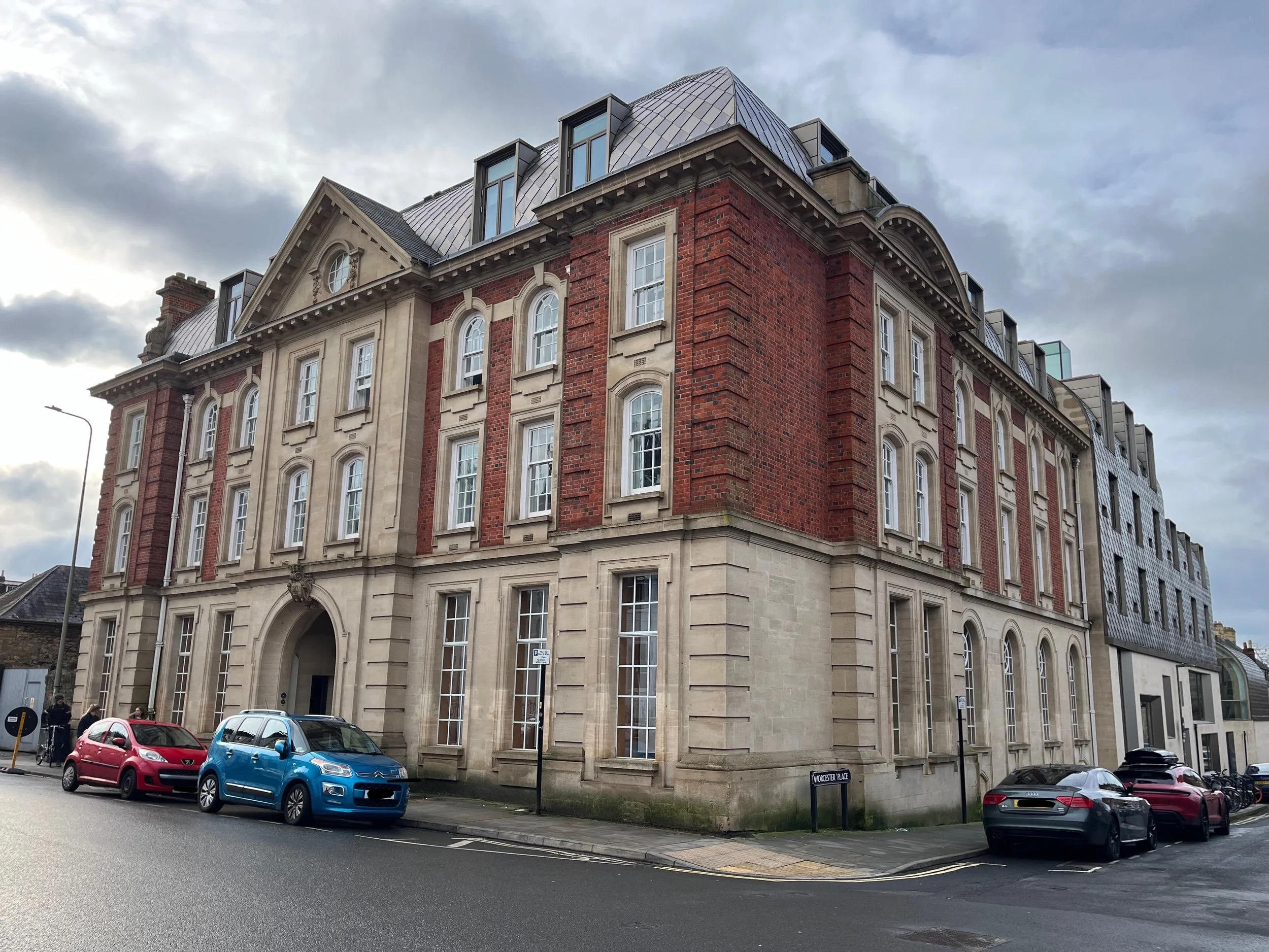
I lived in the building in the photo above, in Walton Street. It’s location in central Oxford was essential.
As students, we were given access into the very heart of Oxford University via the Bodleian Library, only a few streets away. We were given permission to enter this copyright library only after a sworn declaration that we would not burn it down.
I have so many memories of the college building at Walton Street. Of walking within corridors and halls decorated with TUC banners and paintings of key figures and events from the Labour movement.
I remember Tony Benn’s speech in the main hall, puffing on his cigar under a large “do not smoke” sign. During this speech, while everyone cheered and clapped, England had just voted in another Tony, with a very different view of the Labour Party.
Those were incredible days where we felt invincible, yet I wonder if the writing was on the wall even then for the future of the college.
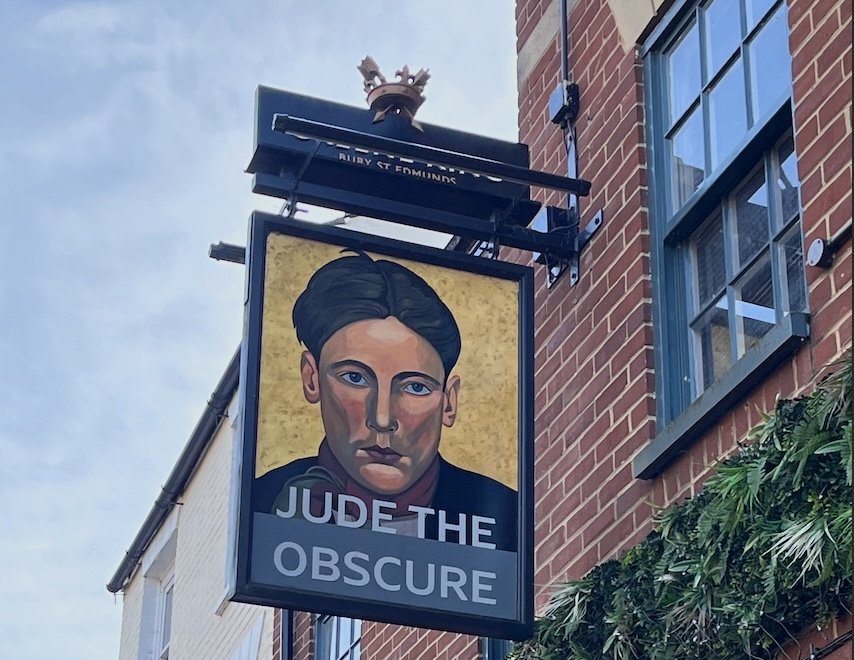
The founding of Ruskin was, in part, inspired by the fictional tragedy of Thomas Hardy’s Jude the Obscure, which highlighted the social and economic impact of preventing working-class people from attending Oxford University.
Down the road from the Walton Street building is a pub called ‘Jude the Obscure’. While it gives a nod to the college, Ruskin no longer exists on Walton Street, the building having been sold in 2010 to Oxford University’s Exeter College.
Ruskin College today
I went back to Ruskin in 2002 to give a paper at its Public History Conference and in 2005 I taught a course there in anthropology.
Though clearly changing, embracing new subjects and new ways of gathering students, I never anticipated that Ruskin would close or change. I expected to return.
It’s just a building… maybe. But during the process of the Walton Street building being sold, the historic banners and pictures that publicly displayed the successes of the Labour movement were moved and, crucially, archival evidence related to Ruskin’s ancient alumni were recklessly and needlessly destroyed.
In theory, Ruskin College continues to exist today. Yet this radical, left-wing college was moved from the heart of Oxford to its secondary building located on the fringes of the city. The college has declined ever since and nowadays it has become a branch of the University of West London.
While Ruskin maintains the logo, it bears little resemblance to its former self. It continues to offer opportunities for people to gain qualifications to go to University, but there is little funding to enable them to do so.
Back in the day, it was the funding that made it all possible. And the radical teaching in politics, history and feminism has disappeared. What is left feels corporate, token, reduced. The Ruskin that I knew is gone.
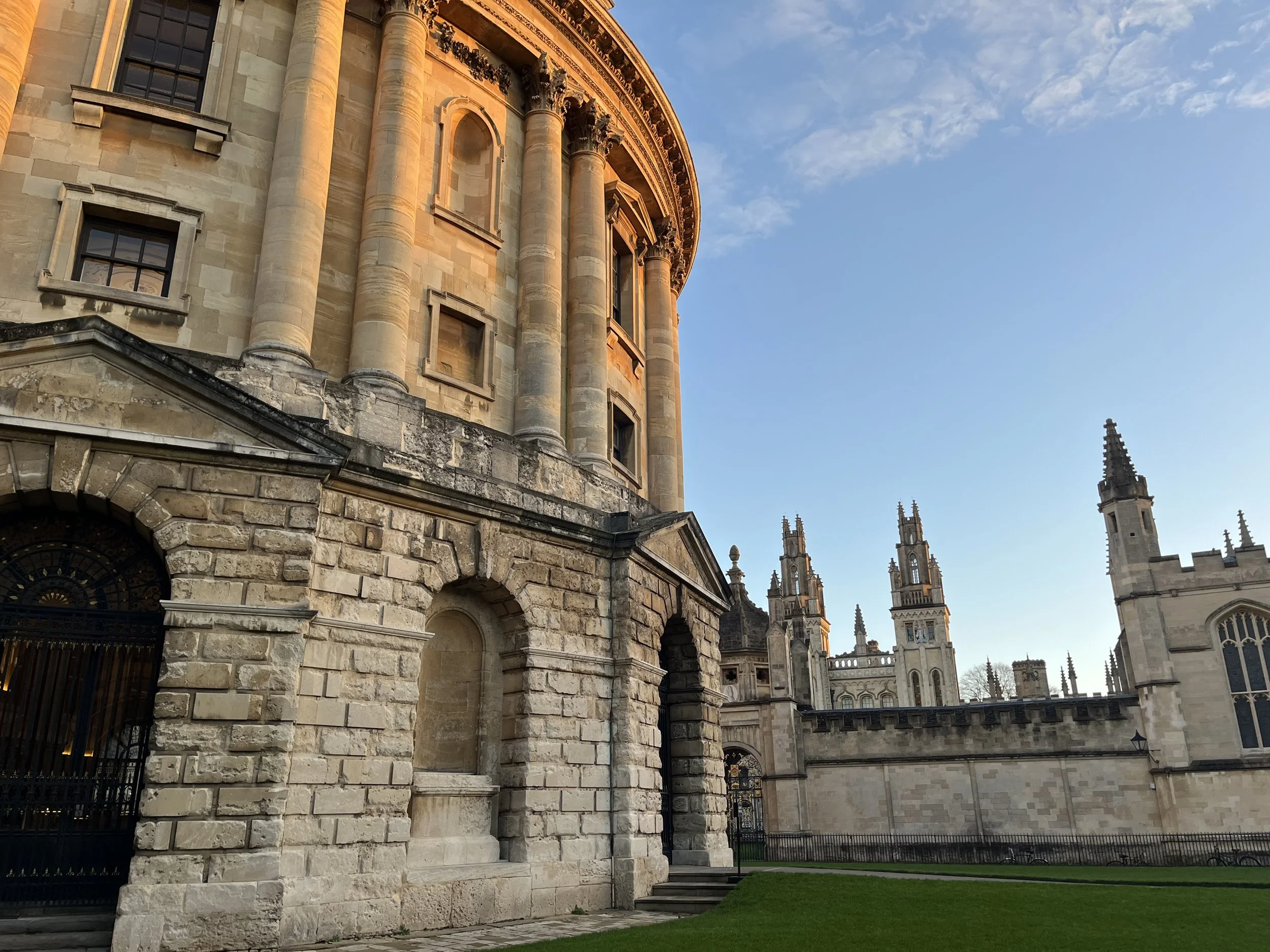
Why stories about the past matter
There are many stories we can tell about our past. What we choose to focus on, what we choose to ignore and what we teach our children matters.
Rulers know this. Stories about the past help people understand social context, why things are the way they are and who to blame.
When rulers control the historical narrative, they have greater control over people. Dictators have always attacked educational establishments and burned books. Currently Trump is doing this in America.
The school curriculum in England is created by a government department, with the history syllabus weighted towards the ruling classes and a patriotic view of the British empire.
The misrepresentation of Britain’s role in slavery and of the British Empire, along with downplaying the role of the empire in creating geo-political inequality, has consequences.
Including the widespread acceptance of the political right’s blaming of migrants for people’s socio-economic problems today.
History can be manipulated. In an era of increasing social inequality, if you are taught that Britain was once Great and ruled the waves… you could long for a past that never existed.
We clearly need better access to libraries and a decent education – especially in the subject of history.
That Ruskin changed people’s lives is not in question. However, it doesn’t need to become a relic of the past.
In a time of growing inequality and oppression, we need colleges that offer funded educational alternatives to the mainstream. Opportunities for people to do their own research and find out the truth. This is what Ruskin, together with access to the Bodleian library, offered.
Education and the ability for people to do their own accurate research needs to be accessible. People need to have knowledge of their history, of the history of power and the struggles against it.
As many indigenous people have pointed out, if the history you learn at school doesn’t include the experience of your own people, you feel unworthy and forgotten. If your family are struggling to pay the bills and put food on the table, learning about the many wives of Henry VIII is not only irrelevant but demeaning.
We need to give power back to communities, giving people the ability to thrive in an uncertain world.
Ruskin clearly changed my life and I am within it’s debt. I vowed to pass on all that I learned so that others may benefit from access to a good library and good teachers. That was what Ruskin was to me and I grieve its loss.
Samara Lewis, January 2026